Prada Frames has been held annually since 2022 under the curatorship of Formafantasma. Taking place alongside Milan Design Week, the symposium offers a quieter counterpoint to a calendar often shaped by product launches, installations and spectacle. Rather than presenting design through objects alone, Prada Frames looks at the systems, places and cultural questions that shape the way objects, materials and images enter the world.
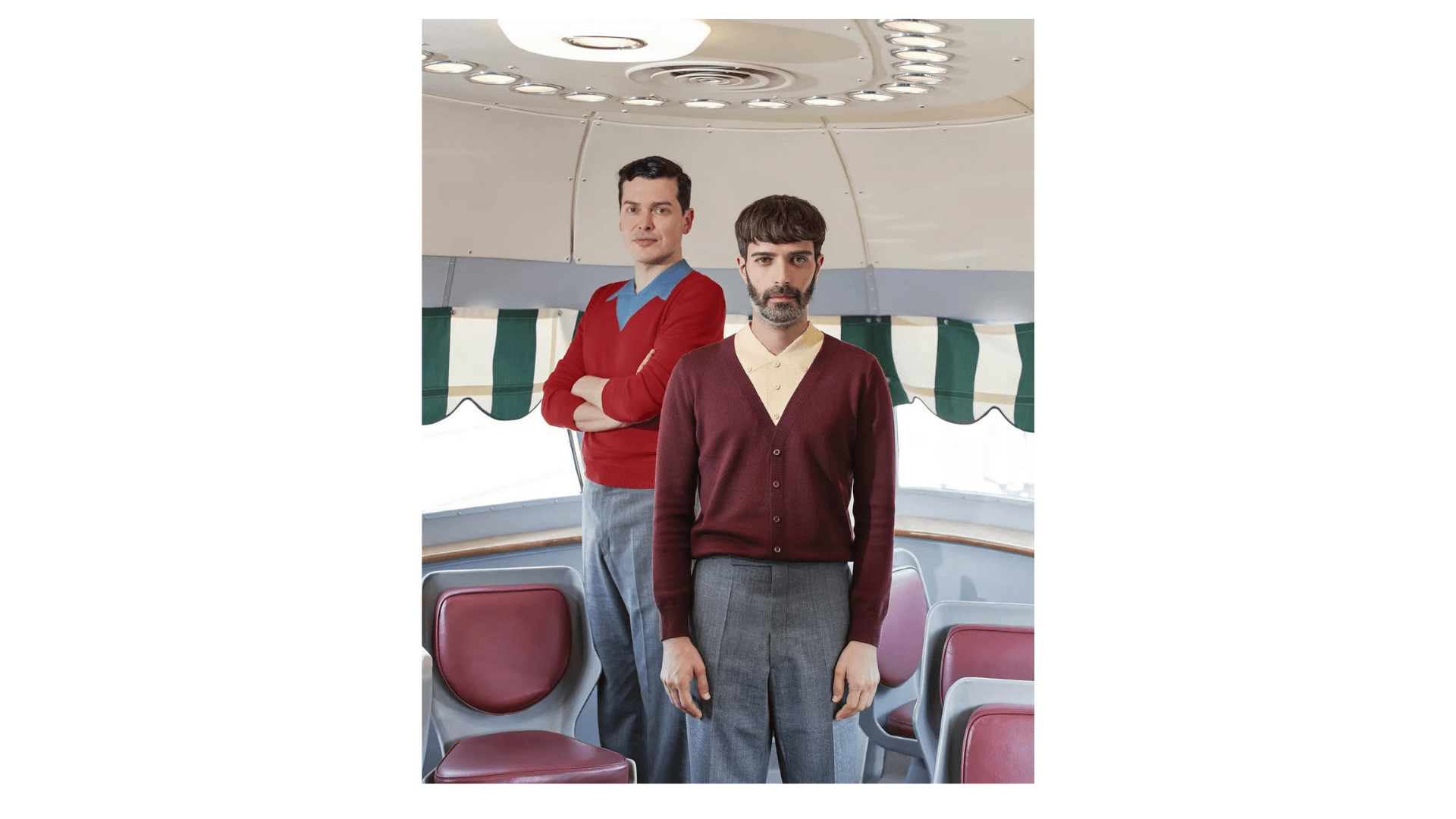
Founded in 2009 by Andrea Trimarchi and Simone Farresin, Formafantasma has become known for their research-based approach that moves between design, ecology, politics, material culture and the built environment. The studio’s work often begins with a question rather than a form: where a material comes from, how a domestic space is organised, what infrastructure makes movement possible, or how images influence the way we understand reality. Prada Frames extends this method into a public programme, bringing together voices from design, architecture, science, art, theory and activism.
One of the most distinctive aspects of Prada Frames is its use of location. Each edition is shaped not only by its theme, but also by the space in which that theme is discussed. The setting is never incidental. It gives the conversation a physical frame, allowing the subject to be experienced through architecture, history and atmosphere as much as through lectures and discussions.
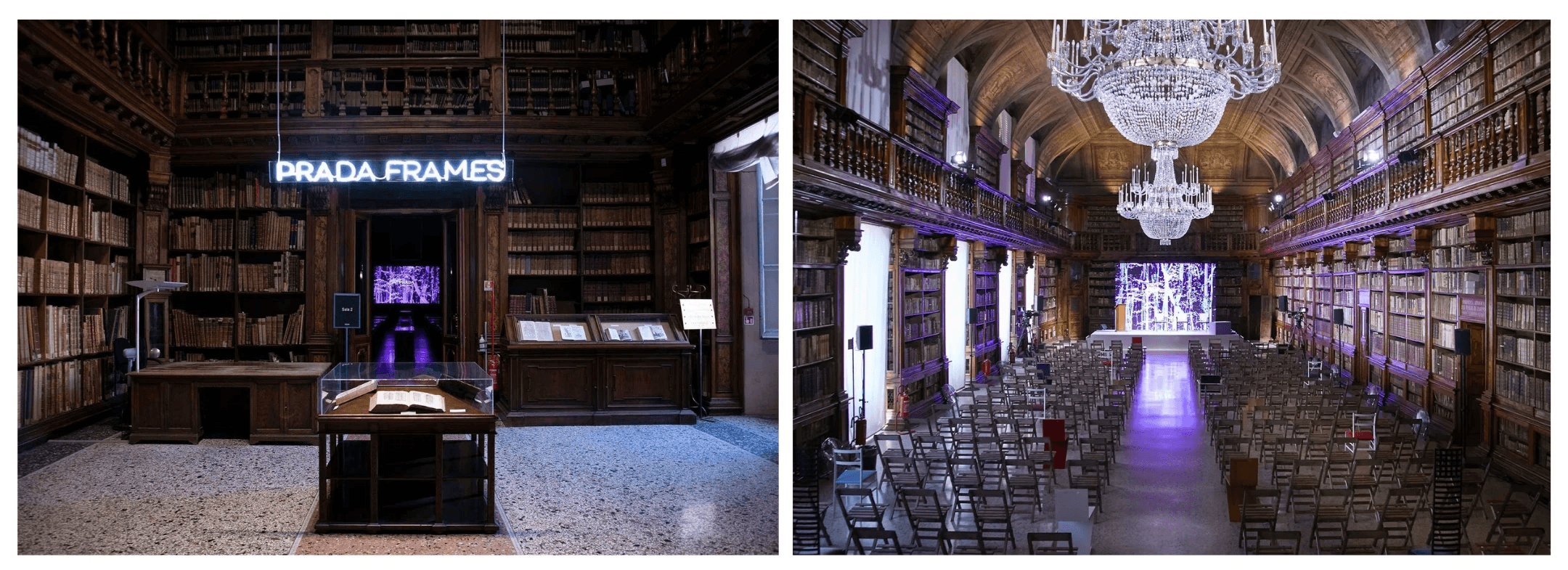
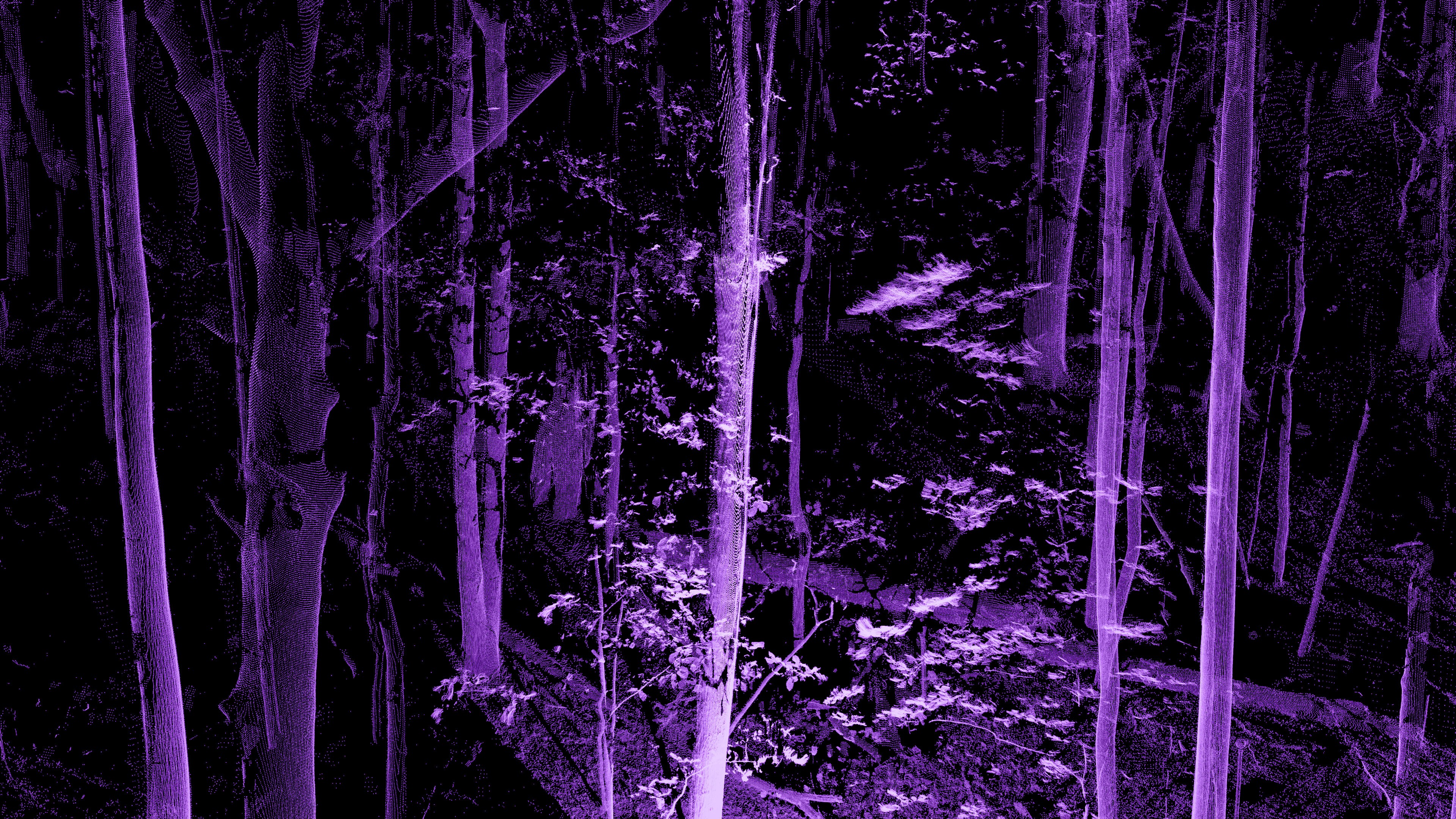
The first edition, On Forest, took place in 2022 at the Biblioteca Nazionale Braidense. Centred on forest ecosystems and the timber industry, the programme examined the relationship between design and the natural environment through questions of extraction, production, knowledge and responsibility. The choice of a library gave the theme a precise context. Surrounded by archives, shelves and systems of classification, the forest was approached as something to be read and understood, rather than treated as a distant image of nature. The setting placed ecology in dialogue with knowledge, and resources in dialogue with the structures that organise them.
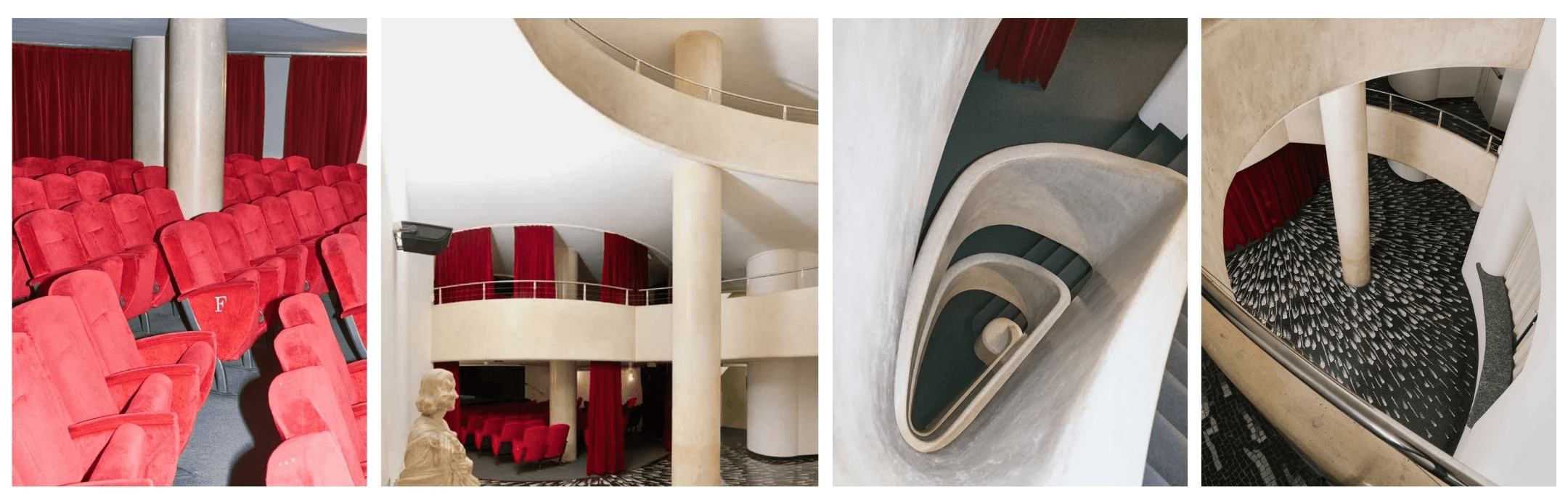
In 2023, Materials in Flux moved its Milan chapter to Teatro Filodrammatici. The edition focused on matter in a state of constant transformation, looking at waste, circulation, reuse and the shifting value of materials. Inside a theatre, these questions gained a performative dimension. Matter was no longer framed as something fixed or inert, but as something that changes status, moves between contexts and is continually reinterpreted. The stage became an apt setting for a theme concerned with transformation, visibility and the systems that determine what is discarded and what is given new value.
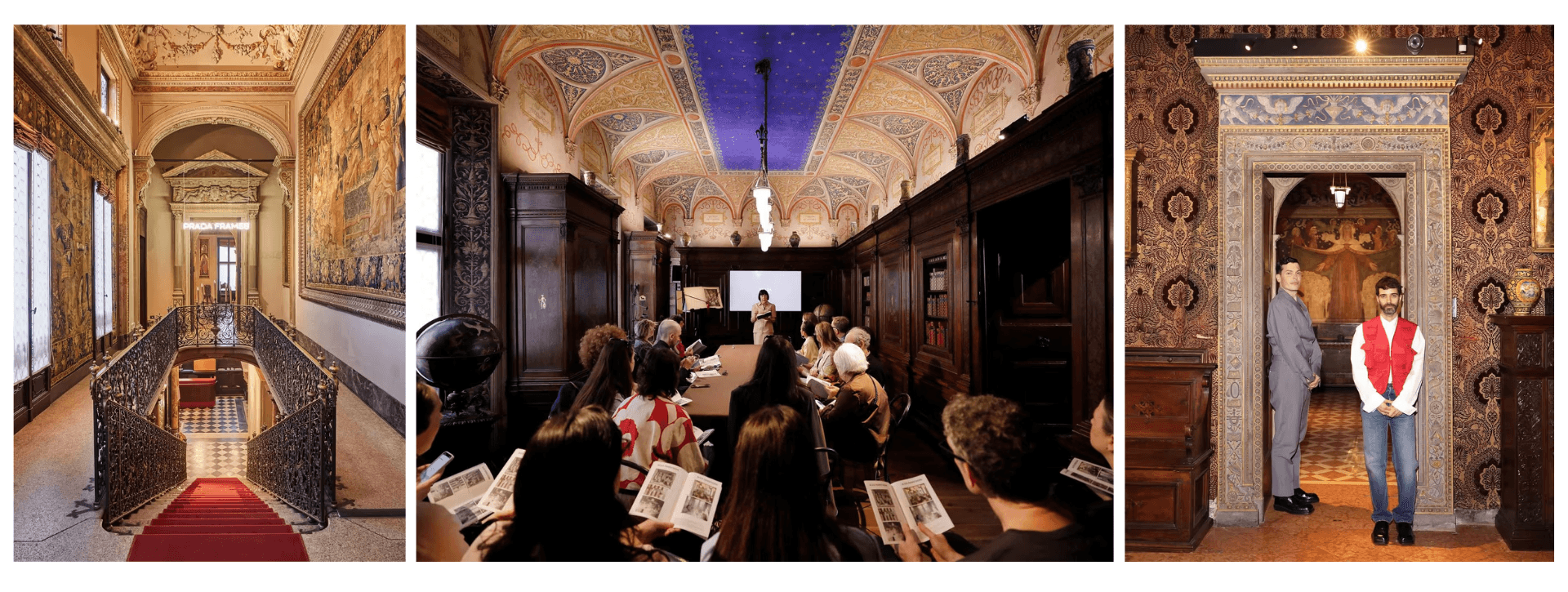
In 2024, Being Home was held at Museo Bagatti Valsecchi. Once a private residence, the historic house museum offered a direct setting for a discussion on domestic life. The edition approached the home through questions of privacy, comfort, labour, care, ownership, habit and social structure. Within rooms shaped by furniture, ornament and the traces of former domestic routines, the home became a subject of analysis rather than a familiar backdrop. The setting allowed the programme to consider how ideas of intimacy and belonging are shaped by architecture, class, service, maintenance and the everyday systems that sustain domestic life.
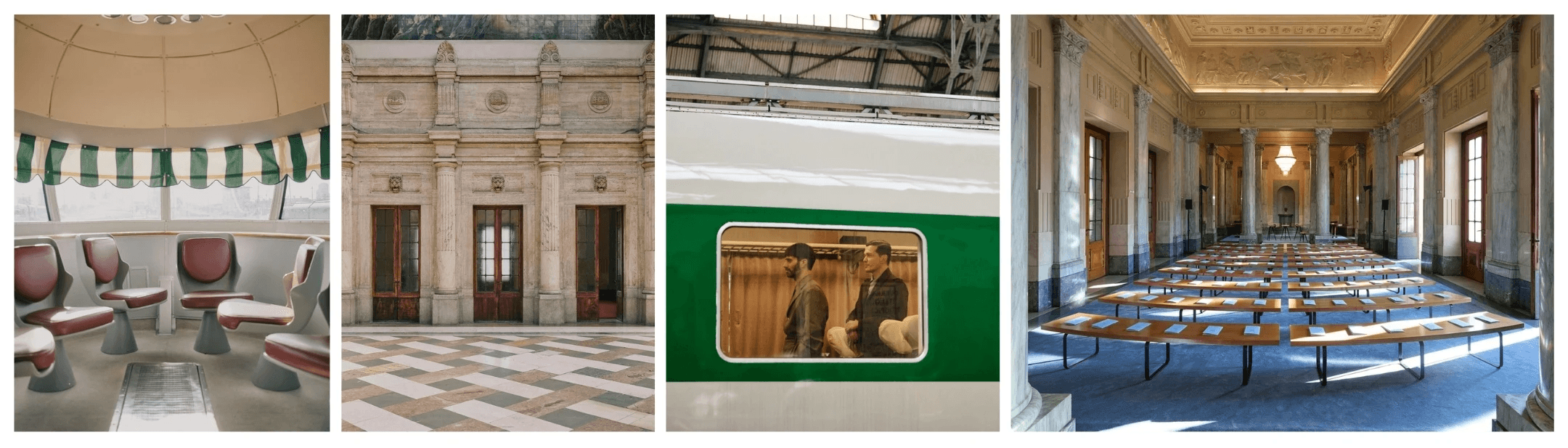
In 2025, In Transit unfolded across the Padiglione Reale at Milano Centrale and the Arlecchino Train. The theme examined movement, passage and infrastructure, asking how people, goods, data and power circulate through contemporary systems. For this edition, the setting did much of the work. A railway station and train placed the audience inside the very structures that organise mobility. The programme could therefore address transit not as an abstract condition, but as something built into platforms, routes, timetables, borders and networks. The history and politics of movement became visible through the architecture of travel itself.
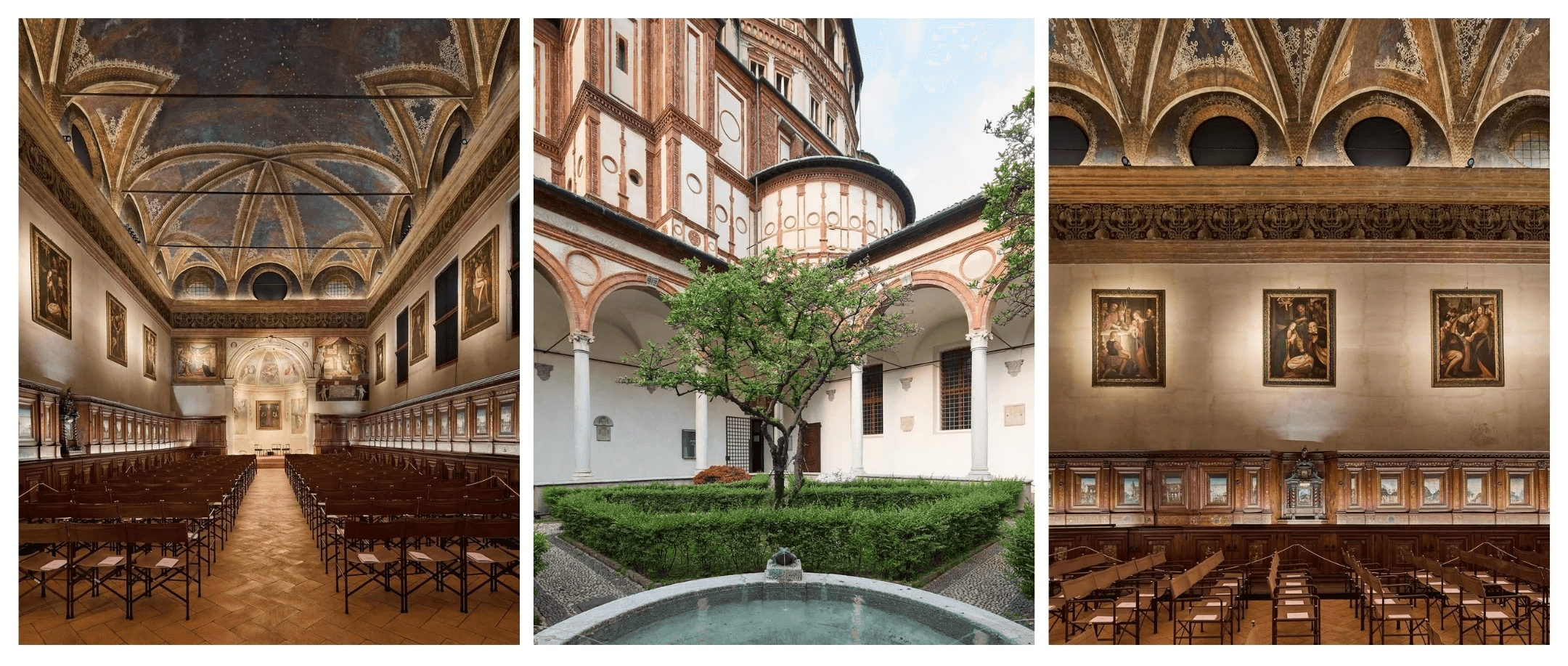
This year, In Sight turned to the image. Held at Santa Maria delle Grazie, the edition focused on representation, truth, visual culture, artificial intelligence and the social and environmental costs of contemporary image-making. The choice of location brought particular weight to the subject. As the home of Leonardo da Vinci’s The Last Supper, the complex carries one of the most charged histories of representation in Western art. Against this backdrop, contemporary questions around AI-generated imagery, digital circulation and the instability of visual truth were placed in conversation with the Renaissance belief in perspective, composition and the image as a carrier of meaning.
Across five editions, Prada Frames has developed a clear method. Each year, Formafantasma identifies a subject that sits at the centre of contemporary design culture, then places it inside a setting that expands the conversation. Forests, materials, homes, infrastructures and images are treated as systems to be examined rather than themes to be illustrated. The result is a format that has become one of Milan Design Week’s more considered platforms: a space where design is understood through context, research and the conditions that make culture visible.