Despite covering the majority of the planet’s surface, over 80% of the world’s oceans remain unexplored. Scientists even say we know the Moon’s surface better than the seafloor. These mysterious depths make the oceans not just a natural resource, but a vast, largely undiscovered world. Perhaps that’s why protecting them is no longer just an environmental issue; it’s increasingly recognized as a crucial part of our connection to the future.
This is where Satoumi comes in; a Japanese concept gaining attention in recent years for offering a fresh perspective on ocean conservation. Rather than keeping nature separate from human activity, Satoumi encourages a reciprocal relationship between people and the sea. In Japanese, “sato” means village or local community, and “umi” means sea. Together, Satoumi can be understood as “a harmonious, discovery- and understanding-based relationship between human communities and the ocean.”
Traditional Japanese coastal communities have maintained this balance for centuries, intuitively knowing when to fish, which areas to let rest, and how to use natural resources sustainably.
Modern Satoumi continues this tradition, bringing together scientists, fishers, educators, and environmentalists to create a model that protects the oceans while supporting human communities.
One of the most inspiring figures in this field is Japanese ichthyologist, professor, and educator Sakana-kun. He is especially known for his work with children, believing that fostering a love for the sea at a young age can make a real difference.
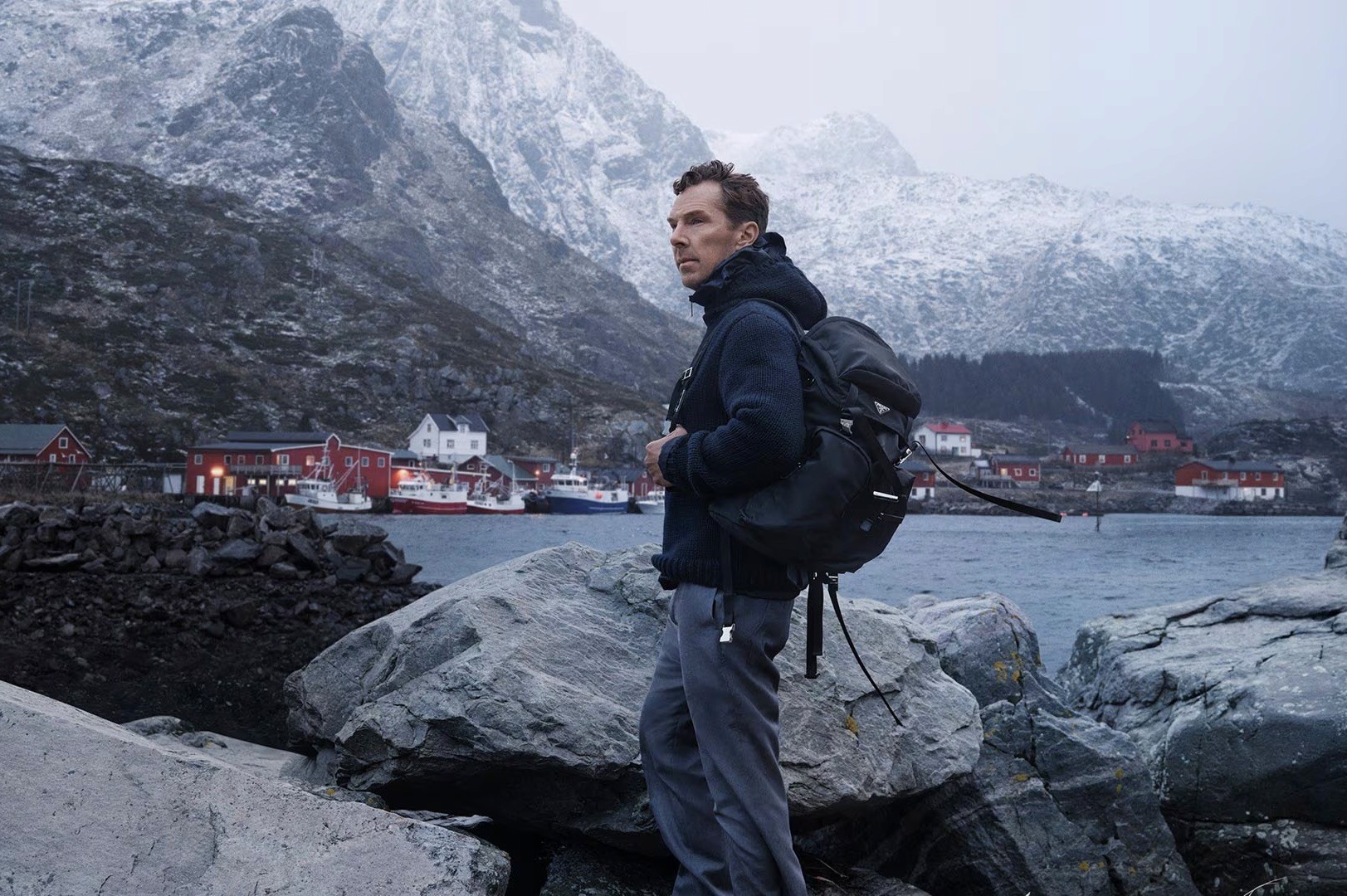
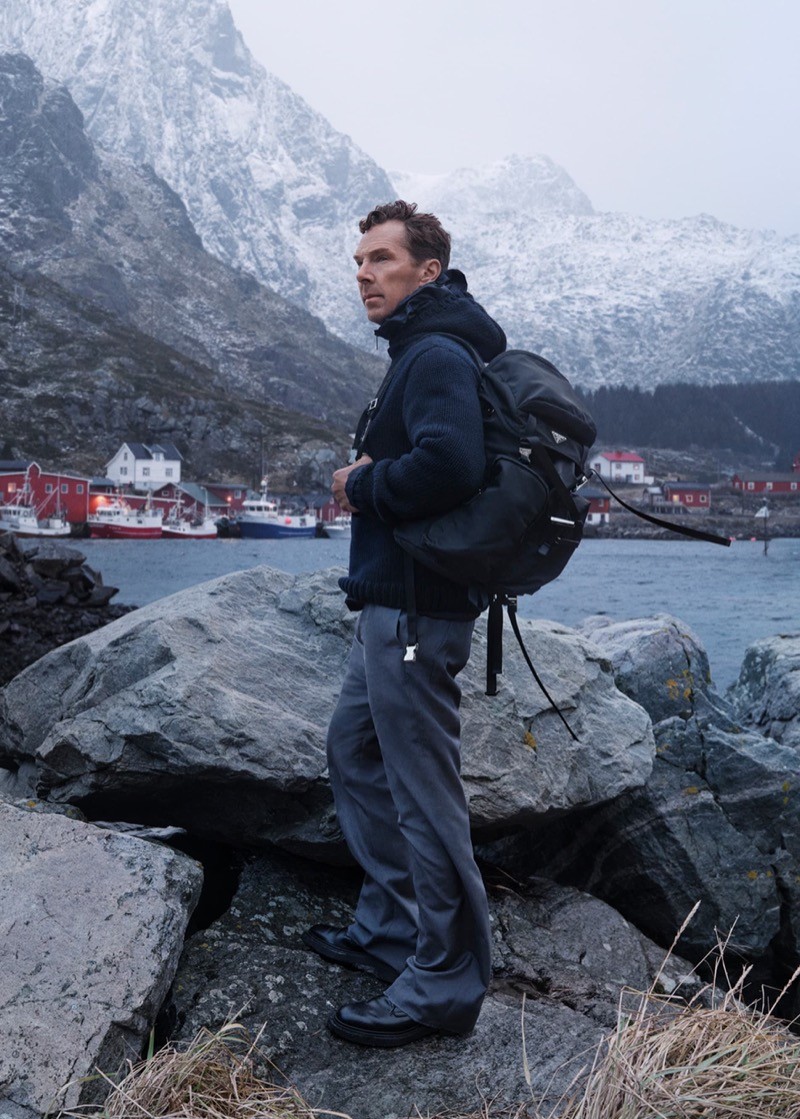
A visible and powerful example of this transformation is the SEA BEYOND and Prada Re-Nylon collaboration, a global educational and awareness project aimed at spreading ocean literacy among younger generations, introducing children to the sea, and promoting a sense of responsibility for protecting oceans for a sustainable future.
In the first film of this year’s campaign, British actor Benedict Cumberbatch explores the rich marine environment of Japan’s Izu Peninsula and Kamakura coast, navigating strong currents and dramatic geology. The film features Sakana-kun conducting beach workshops with children as a living example of the Satoumi approach, alongside National Geographic explorer and SEA BEYOND Goodwill Ambassador Elisabetta Zavoli. Zavoli summarizes the region’s ecosystems:
‘Until the 19th century, most of Japan’s coastal ecosystems were still pristine. But two centuries of development have changed that balance. Now, we have an opportunity to recalibrate our relationship with the ocean. This area is one of the world’s most dynamic and species-rich marine environments. Spending time in nature naturally makes you want to protect it; it’s much harder to form this connection when you live in a city.’